When each area of your operation interprets the procedure in its own way, execution drifts from the initial plan.
Traditional coordination methods are no longer enough
At times, blueprints, presentations, and technical documents fail to align the understanding of people who think and operate differently.
Problems that appear on-site
What your team fails to coordinate properly cannot be executed properly. Conflicts, delays, and cost overruns arise.
Lack of coordination is an operational risk
Different interpretations of the same procedure
When each area of your operation interprets the procedure in its own way, execution drifts from the initial plan.
Traditional coordination methods are no longer enough
At times, blueprints, presentations, and technical documents fail to align the understanding of people who think and operate differently.
Problems that appear on-site
What your team fails to coordinate properly cannot be executed properly. Conflicts, delays, and cost overruns arise.
What if you could improve coordination by having everyone see exactly the same thing, at the same time?
Not just as a concept or a presentation. But as a physical, tangible tool that anyone, from any department, can understand without needing interpretation.
The same understanding for everyone
Scale models allow you to coordinate different areas, visualize maneuvers, and reduce uncertainty through the standardization of critical procedures.
This is how scale models deliver results
Effective coordination across your departments
The model acts as a common language between maintenance, operations, and engineering teams, eliminating ambiguities and aligning criteria before on-site execution.
Standardization of critical procedures
Allows you to define, practice, and validate work sequences until they are standardized and internalized by all departments.
Positive impact on time and costs
By planning, simulating, and standardizing procedures prior to execution, your personnel arrive on-site better prepared, reducing intervention times, rework, and cost overruns.
Real-world applications
Planning and coordination of plant shutdowns
Facilitates alignment across departments, allowing you to validate critical interventions and detect conflicts before the shutdown begins.
Result
57% reduction in interferences detected during execution. (*)
Validation of workflows and maintenance sequences
Allows you to review processes and operational sequences before intervening, reducing interferences and improving operational continuity.
Result
36% reduction in construction sequence validation times. (*)
Multidisciplinary coordination tables
Integrates operations, maintenance, and engineering in a shared environment that strengthens coordination and anticipates operational risks.
Result
45% optimization in coordination time between technical areas. (*)
Implementation of Lean Maintenance and RCM methodologies
Facilitates the practical application of methodologies designed to improve reliability, optimize resources, and minimize operational losses.
Result
Up to 30% fewer unplanned failures through prevention-focused methodologies. (*)
(*) The indicators presented are reference approximations based on operational experiences and real cases. Results may vary depending on the context, scope, and implementation conditions of each operation.
Our Featured Projects
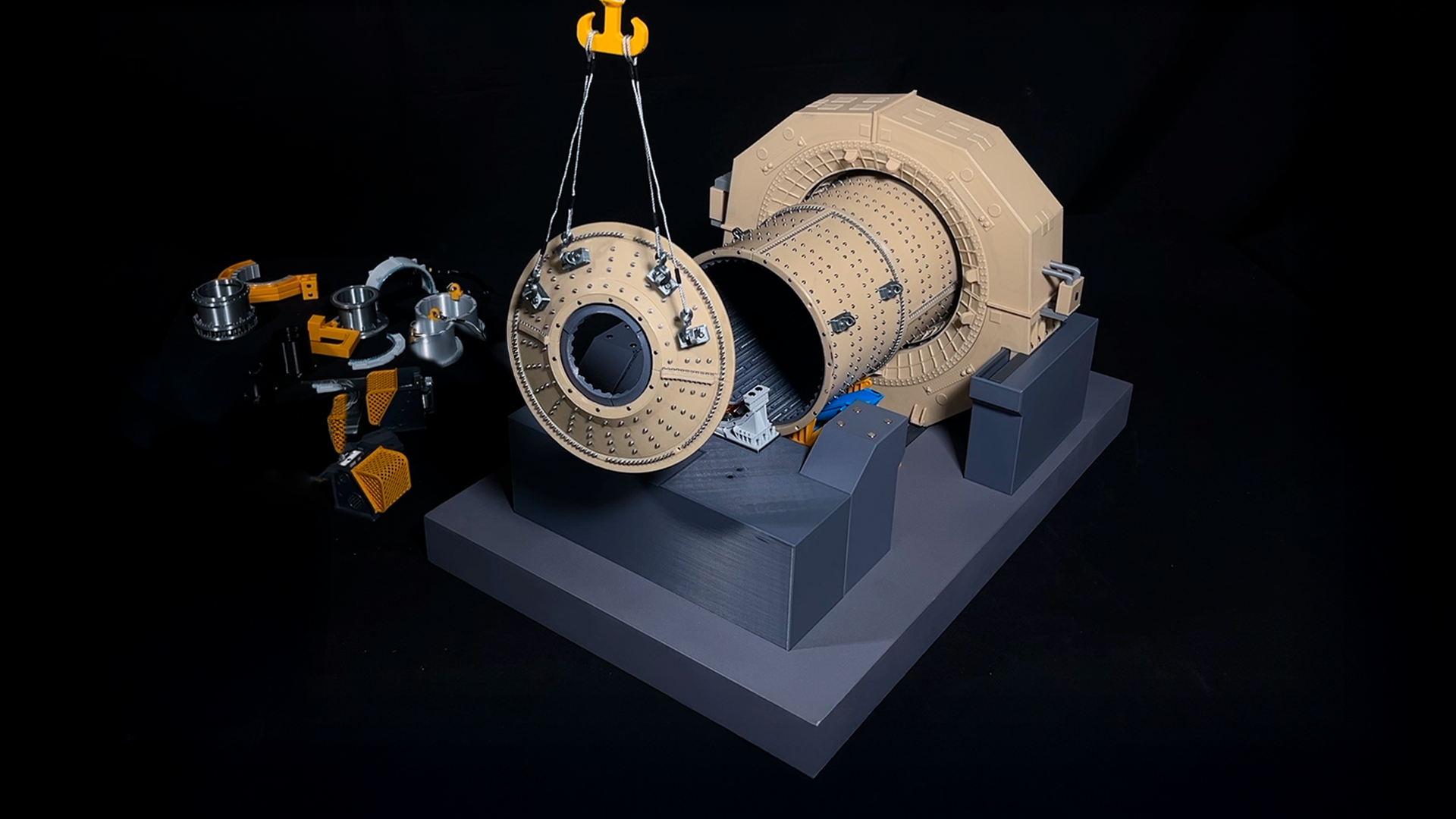
Ball Mill 1:50
FLS
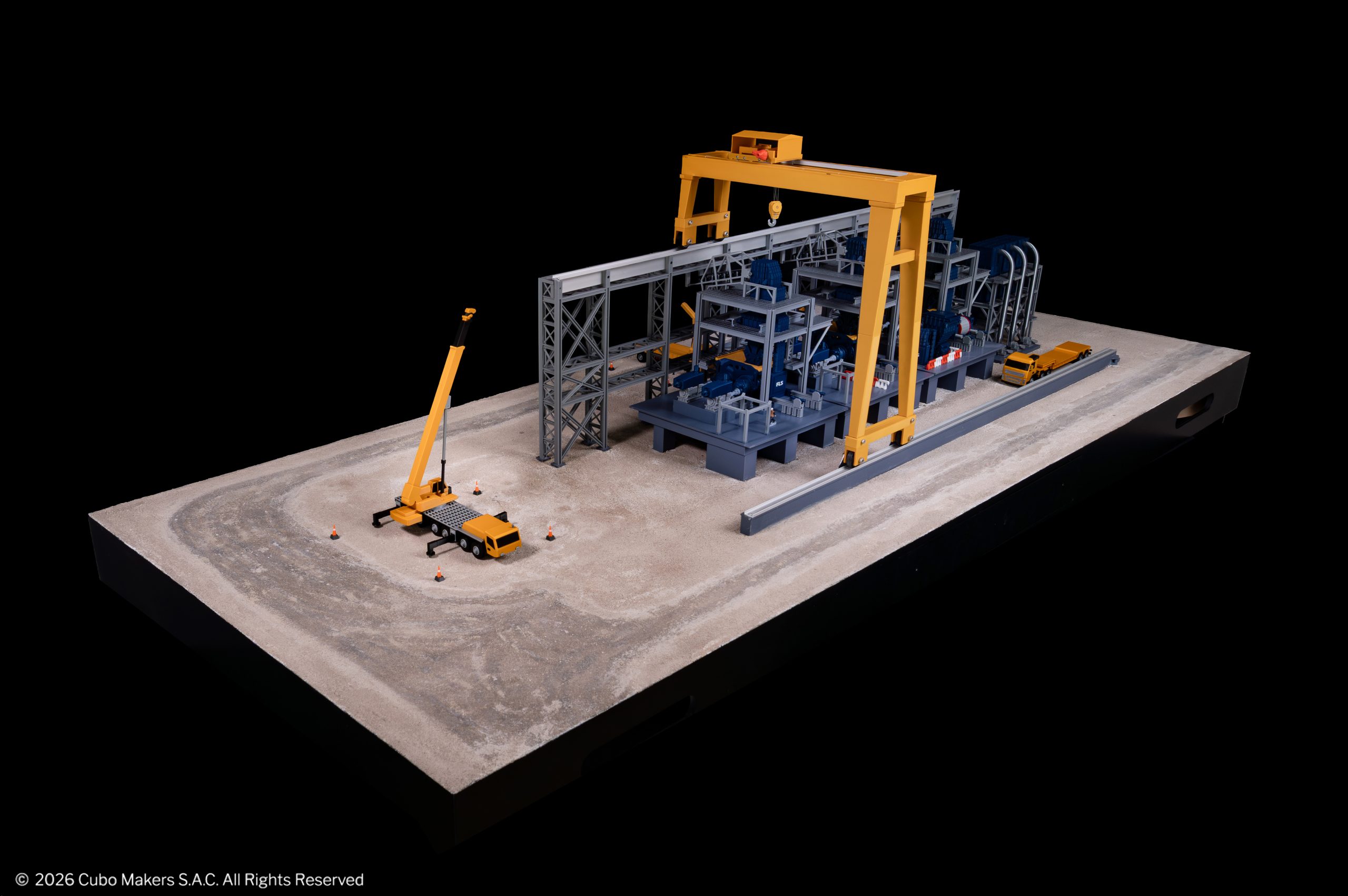
Grinding Area 1:56
Vale - Mina Sossego
Tertiary Crushing Building
Minera Centinela
They Trust Us
After-sales support with a 1-year warranty
Comprehensive advisory from the start
Customization based on your needs
After-sales support with a 1-year warranty
Comprehensive advisory from the start
Customization based on your needs
Operate with greater precision through coordination
Let’s talk and evaluate together if this tool is the right fit for you.
Para ofrecer las mejores experiencias, utilizamos tecnologías como las cookies para almacenar y/o acceder a la información del dispositivo. El consentimiento de estas tecnologías nos permitirá procesar datos como el comportamiento de navegación o las identificaciones únicas en este sitio. No consentir o retirar el consentimiento, puede afectar negativamente a ciertas características y funciones.
Funcional
Always active
El almacenamiento o acceso técnico es estrictamente necesario para el propósito legítimo de permitir el uso de un servicio específico explícitamente solicitado por el abonado o usuario, o con el único propósito de llevar a cabo la transmisión de una comunicación a través de una red de comunicaciones electrónicas.
Preferencias
El almacenamiento o acceso técnico es necesario para la finalidad legítima de almacenar preferencias no solicitadas por el abonado o usuario.
Estadísticas
El almacenamiento o acceso técnico que es utilizado exclusivamente con fines estadísticos.El almacenamiento o acceso técnico que se utiliza exclusivamente con fines estadísticos anónimos. Sin un requerimiento, el cumplimiento voluntario por parte de tu proveedor de servicios de Internet, o los registros adicionales de un tercero, la información almacenada o recuperada sólo para este propósito no se puede utilizar para identificarte.
Marketing
El almacenamiento o acceso técnico es necesario para crear perfiles de usuario para enviar publicidad, o para rastrear al usuario en una web o en varias web con fines de marketing similares.